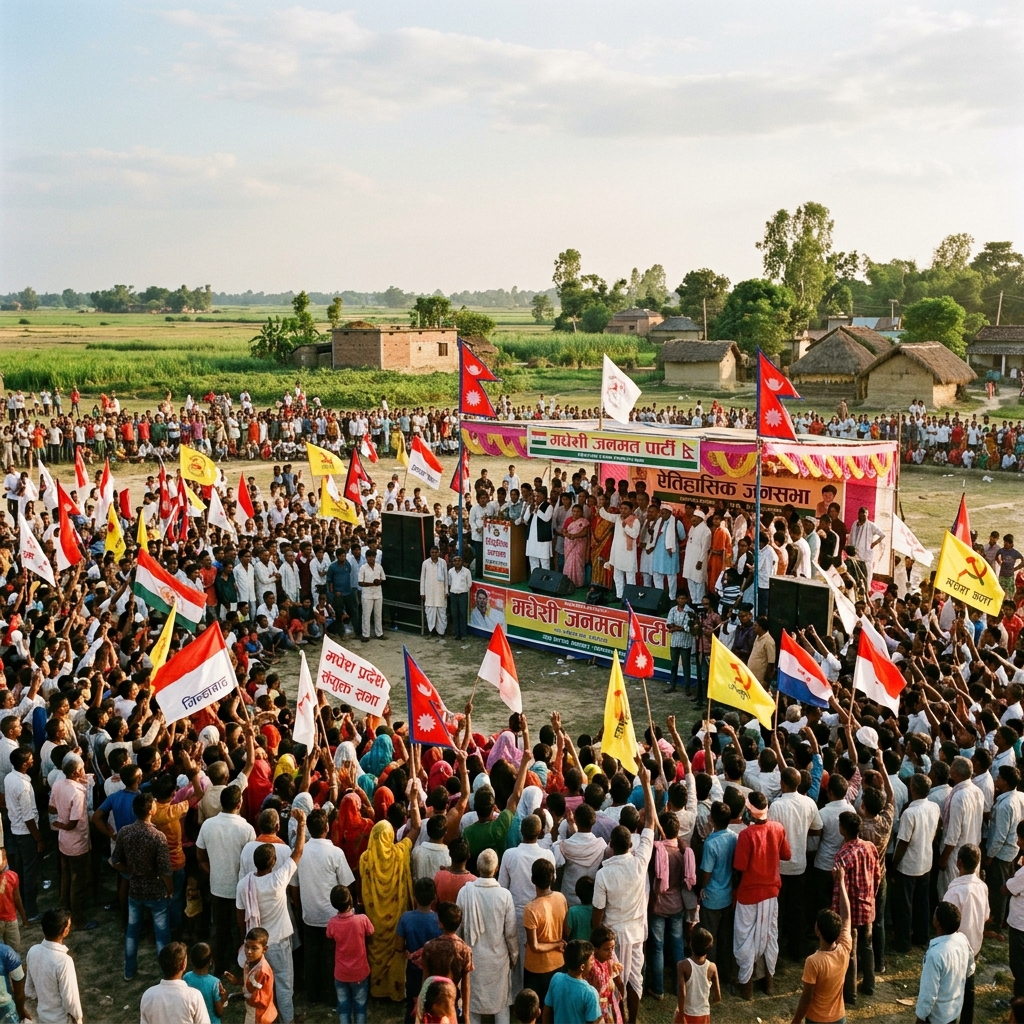
Six years into federalism, Province 2 still receives the lowest per-capita federal transfers. The system was supposed to empower us — instead, it's created new forms of dependency. But I believe the framework can work if we make three critical changes.
When Nepal adopted its federal constitution in 2072, the Madheshi movement celebrated a historic victory. For the first time, our communities would have genuine political representation at the provincial level. Six years later, the celebration has given way to serious questions.
The Promise vs. The Reality
Federalism was supposed to bring government closer to the people. In many ways, it has — provincial assemblies meet regularly, local governments manage their own budgets, and political participation in Madhesh has increased significantly. These are genuine achievements worth acknowledging.
But the structural challenges remain immense:
- Fiscal imbalance: Province 2 generates only 8% of its budget internally — the rest comes from federal transfers that arrive late and with conditions attached
- Capacity gaps: Many local governments lack trained staff for basic administrative functions, let alone development planning
- Revenue sharing: Natural resources extracted from Madhesh contribute to federal revenue, but the benefit-sharing formula disadvantages producing provinces
- Representation: Despite constitutional guarantees, Madheshi representation in federal institutions remains below proportional levels
Three Reforms That Would Change Everything
1. Revenue-Based Transfer Formula
Federal transfers should account for a province's contribution to national revenue, not just population size. Province 2's agricultural output feeds the nation — this economic contribution must be recognized in fiscal transfers.
2. Provincial Service Commission
Each province needs an independent body to recruit and train civil servants. Currently, Province 2 has a 34% vacancy rate in technical positions because recruitment is controlled centrally and candidates prefer posting in Kathmandu.
3. Constitutional Amendment for Resource Rights
Provinces should have primary jurisdiction over natural resources within their boundaries, with a fair royalty-sharing arrangement with the federal government. This single change would transform Province 2's fiscal independence.
"Federalism without fiscal autonomy is just decentralized dependency. We need to complete the promise of 2072."
I'm not arguing against federalism — I'm arguing for making it work as intended. The framework is sound. The implementation needs courage, honesty, and the willingness to share power genuinely. Madhesh has waited long enough for the federal promise to become a lived reality.